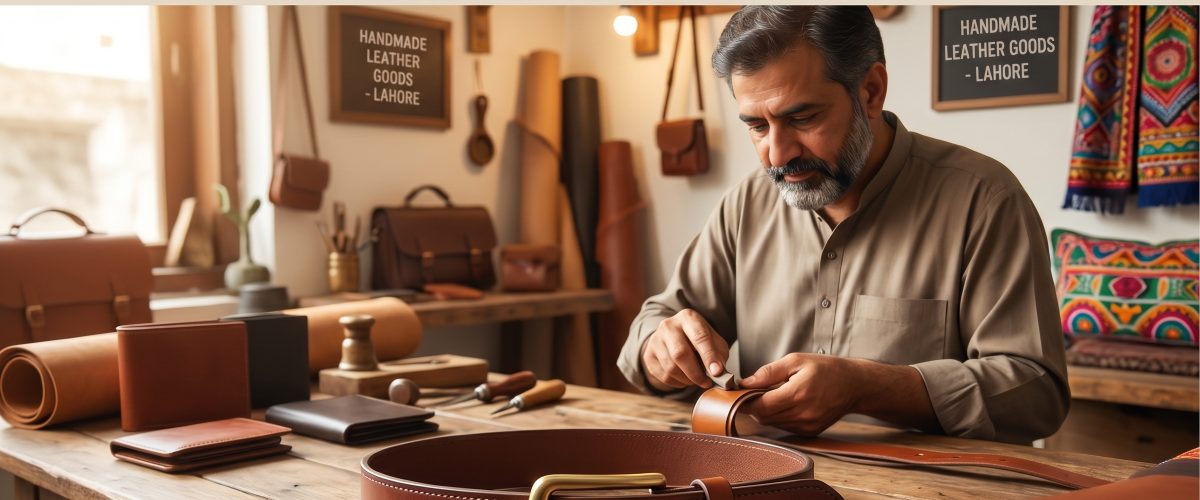
The fashion industry in Pakistan has evolved rapidly over the past decade, shifting from purely traditional wear to a dynamic mix of modern, fusion, and artisanal fashion. Among the many emerging trends, one that has quietly gained strong momentum is the rise of handmade leather belts. Once considered a basic utility accessory, belts have now become a statement piece in men’s and women’s fashion across Pakistan.
Today, handmade leather belts are not just about holding trousers in place—they represent craftsmanship, individuality, and premium lifestyle choices. From Lahore’s boutique workshops to Karachi’s leather markets, artisans are reviving traditional leather-working techniques and combining them with modern design sensibilities.
This blog explores how handmade leather belts are transforming Pakistan’s fashion industry, the reasons behind their growing popularity, and what makes them a preferred choice for style-conscious consumers.
In recent years, consumers in Pakistan have become more conscious of quality, durability, and originality. Fast fashion may still dominate retail stores, but a parallel shift toward handcrafted, long-lasting products is clearly visible.
Handmade leather belts are gaining popularity because they offer something mass-produced belts cannot: uniqueness. Each belt carries subtle variations in texture, stitching, and finishing, making it one of a kind.
Several factors are driving this demand:
In cities like Lahore, Karachi, and Islamabad, boutique fashion brands and independent leather artisans are seeing a steady rise in customer interest.
One of the biggest reasons handmade leather belts are gaining recognition is the craftsmanship involved. Unlike machine-produced belts, handmade belts require skill, patience, and attention to detail.
The process begins with selecting high-quality leather, often full-grain or top-grain leather. Pakistani artisans frequently source leather from local tanneries in Kasur and Sialkot, both known for producing durable hides.
Each belt is carefully measured and cut by hand. Designers often incorporate minimalistic, vintage, or rugged styles depending on market demand.
Hand stitching ensures durability and adds a personalized touch. Many craftsmen use traditional saddle-stitching techniques that increase the belt’s lifespan.
Edges are polished, buckles are attached, and sometimes embossing or branding is added. The finishing stage is where the belt transforms into a premium fashion accessory.
This detailed craftsmanship is what sets handmade belts apart from factory-made alternatives.
Fashion in Pakistan is no longer limited to clothing. Accessories now play a major role in defining personal style. Handmade leather belts are becoming a symbol of refined taste.
Modern consumers prefer subtle luxury over flashy branding. A well-crafted leather belt with a clean design fits perfectly into this trend.
These belts can be paired with jeans, formal trousers, traditional shalwar kameez, and even semi-formal outfits. This versatility makes them highly practical.
Unlike synthetic belts, handmade leather belts can last for years with proper care. This long lifespan adds value for money.
Many customers now prefer custom designs, initials engraving, and unique buckles. This personalization helps them express individuality.
Pakistan has a rich history of leather craftsmanship, especially in cities like Sialkot, which is globally recognized for its leather goods. However, for years, this industry was overshadowed by mass production and export-focused manufacturing.
Recently, local artisans have begun reclaiming their space in the domestic fashion market. Small workshops and independent designers are bringing back traditional techniques while adapting to modern fashion trends.
This revival is not just artistic—it is economic. Handmade leather belt production is creating job opportunities for skilled workers, especially in semi-urban and rural areas.
The digital revolution has played a major role in promoting handmade leather belts in Pakistan. Platforms like Instagram, Facebook, and TikTok have allowed small businesses to showcase their craftsmanship directly to consumers.
E-commerce platforms have also made it easier for customers to access premium handmade belts without visiting physical stores. This convenience has significantly boosted sales and awareness.
One of the strongest global fashion trends influencing Pakistan is sustainability. Consumers are increasingly concerned about the environmental impact of fast fashion.
Handmade leather belts naturally align with sustainable fashion principles:
As a result, many young consumers now prefer handmade accessories as part of their ethical fashion choices.
Despite its growth, the industry still faces several challenges:
Handmade belts require time and skilled labor, making them more expensive than machine-made alternatives.
Small workshops struggle to meet large-scale demand without compromising quality.
Low-cost synthetic belts imported from other countries often dominate the retail market.
Many artisans lack strong branding and marketing knowledge, limiting their reach.
Addressing these challenges is essential for the long-term sustainability of the industry.
The future of handmade leather belts in Pakistan looks promising. With growing awareness of quality and sustainability, demand is expected to rise further.
Several trends are likely to shape the future:
If supported properly through training, funding, and digital marketing, Pakistan’s handmade leather belt industry has the potential to become a significant player in global fashion markets.
The rise of handmade leather belts in Pakistan’s fashion industry represents more than just a style trend—it reflects a cultural and economic shift. Consumers are moving toward quality, authenticity, and sustainability, while artisans are rediscovering their value in a modern marketplace.
From handcrafted detailing to personalized designs, these belts symbolize a blend of tradition and innovation. As the fashion industry continues to evolve, handmade leather belts are set to remain a powerful statement of craftsmanship and individuality in Pakistan.
They are popular due to their durability, unique craftsmanship, and growing demand for sustainable fashion.
Yes, they generally offer better quality, longer lifespan, and more unique designs.
Major production areas include Sialkot, Lahore, and Karachi, known for their leather industries.
Keep it away from moisture, clean it with a dry cloth, and store it properly to maintain its quality.
They are usually more expensive than mass-produced belts due to skilled craftsmanship and quality materials.

