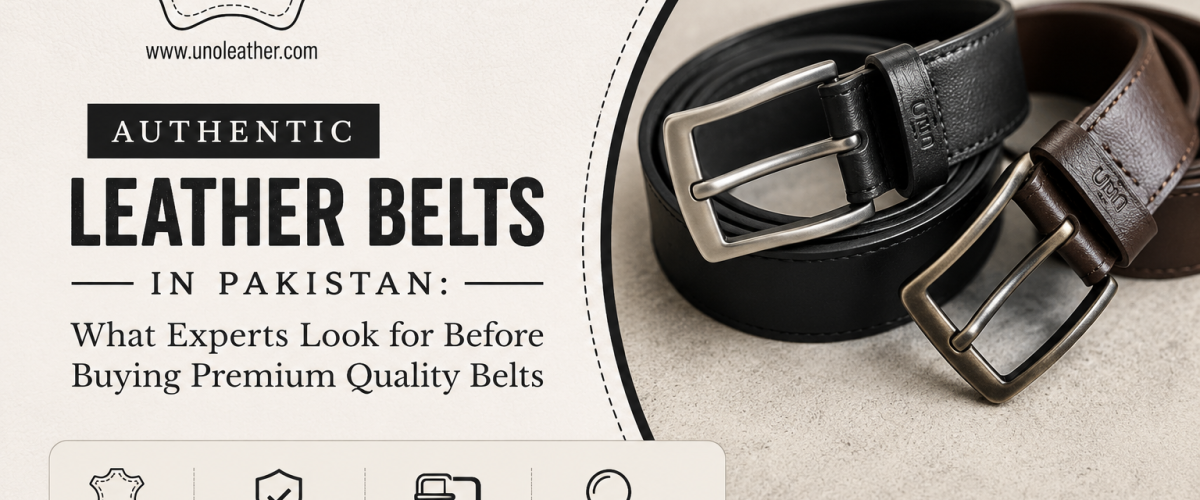
Leather belts are more than just a fashion accessory—they are a symbol of style, durability, and personal identity. In Pakistan, the demand for authentic leather belts has increased significantly due to growing awareness of premium fashion and long-lasting wardrobe essentials. However, not every belt labeled “genuine leather” actually meets international quality standards.
This is where expert knowledge becomes important. Whether you are a buyer, fashion enthusiast, or someone starting a leather accessories brand, understanding what professionals check before purchasing a premium leather belt can save you from poor investment and low-quality products.
In this detailed guide, we will explore how experts evaluate authentic leather belts in Pakistan, what materials define true quality, and how you can make a smart purchase decision that ensures long-term value.
Before diving into quality factors, it’s essential to understand the difference between real and synthetic leather.
Genuine leather is made from animal hide, typically cowhide in Pakistan’s leather industry. It is processed, tanned, and treated to enhance durability and flexibility. High-quality belts are usually made from full-grain or top-grain leather.
Also known as PU or bonded leather, synthetic materials are designed to mimic real leather but lack its strength, texture, and aging quality. These belts often crack, peel, and lose shape over time.
Experts always prioritize real leather belts in Pakistan because they offer better longevity, natural texture, and premium appeal.
Pakistan is among the top leather-producing countries in the world. Cities like Sialkot, Karachi, and Lahore are known for producing high-quality leather goods, including belts, wallets, and shoes.
The leather industry in Pakistan benefits from:
Because of this, Pakistan has become a strong hub for affordable yet premium leather accessories.
When professionals or fashion experts evaluate a leather belt, they don’t just look at appearance—they analyze multiple quality indicators.
The first and most important factor is leather grade.
Experts always prefer full-grain or top-grain leather belts for premium quality assurance.
A belt is only as strong as its stitching. Experts inspect:
Poor stitching indicates low craftsmanship and short lifespan.
Edge finishing determines how refined a belt looks. High-quality belts in Pakistan often feature:
This small detail is often what separates luxury belts from ordinary ones.
The buckle is a major style and durability factor.
Experts look for:
A premium belt always has a solid, well-balanced buckle that complements the leather quality.
Authentic leather has a natural softness and flexibility. Experts test:
Fake leather often feels overly smooth or plasticky.
This is a traditional but effective method used by professionals. Real leather has a natural, earthy smell, while synthetic leather smells like chemicals or plastic.
High-quality leather belts improve with age. They develop a natural patina that enhances their appearance over time. Experts prefer belts that:
Many buyers unknowingly purchase low-quality belts due to lack of awareness. Some common mistakes include:
Avoiding these mistakes can significantly improve your purchase experience.
Here are some practical tips to ensure you are buying the right product:
These simple checks can help you identify a high-quality belt even without expert knowledge.
Leather belts are not just functional—they play a key role in fashion styling.
In Pakistan’s evolving fashion industry, leather belts are becoming a must-have accessory for both men and women.
Modern consumers are also concerned about sustainability. Ethical leather production ensures:
Many Pakistani manufacturers are now adopting eco-friendly practices to meet international standards.
The leather industry in Pakistan is rapidly evolving with:
Experts predict that Pakistan’s leather goods market will continue expanding due to global recognition of its craftsmanship.
Buying an authentic leather belt in Pakistan requires more than just visual appeal. Experts focus on leather grade, stitching quality, buckle strength, texture, and durability before making a purchase. With Pakistan’s strong leather industry, buyers have access to high-quality belts at competitive prices—provided they know what to look for.
By following the expert guidelines shared in this blog, you can confidently choose a premium leather belt that not only enhances your style but also lasts for years.
Real leather belts have a natural texture, slight imperfections, and a distinct earthy smell. They also age better over time compared to synthetic belts.
Full-grain leather is considered the best due to its durability, strength, and natural appearance.
Prices vary depending on quality, but Pakistan offers affordable premium leather belts compared to international markets.
A high-quality leather belt can last 5–10 years or even longer with proper care.
Yes, minor repairs like stitching or buckle replacement can extend the life of a leather belt.

